
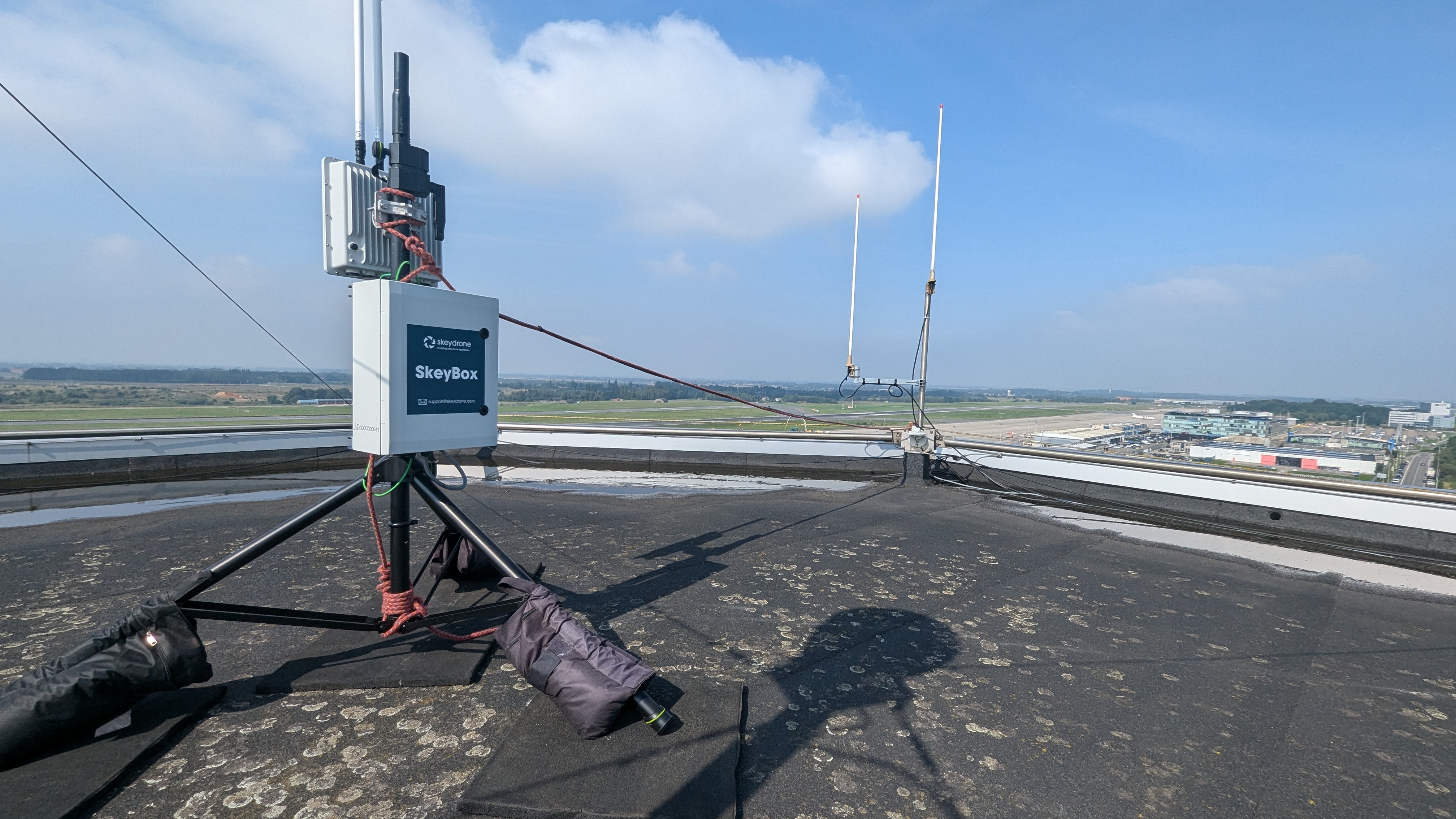
As drones become increasingly accessible and sophisticated, the need for reliable detection systems has never been greater. From airports and critical infrastructure to public events and private properties, organisations are investing in drone detection technology that is both robust and scalable.
But what should form the base layer of such a system? The answer is clear: Radio Frequency (RF) detection.
What Is RF Drone Detection?
RF detection works by scanning the radio spectrum for signals transmitted between a drone and its controller. Most drones rely on RF communication for navigation, telemetry, and video streaming.
Why RF Should Be The Base Layer
1. Passive by Design, Powerful in Action
Unlike radar or optical sensors, RF detection works by listening, not emitting. It passively intercepts radio signals, allowing it to detect and identify drones without interfering with other systems or requiring additional permissions.
As RF detection focuses on unique communication signatures rather than visual or physical characteristics, it avoids false alarms triggered by birds, balloons, or other airborne objects that often confuse radar or optical sensors.
2. Broad Coverage at a Competitive Cost
RF sensors can cover large areas beyond line-of-sight restrictions, making them especially effective in complex environments where terrain, buildings, or weather may obstruct radar or visual systems.
In addition, RF detection is far more affordable than radar or electro-optical systems, making it an ideal entry point for organisations starting with counter-UAS.
3. Superior Identification and Attribution
RF-based systems can pinpoint not just drone activity but also the location of the pilot. This capability offers tactical advantages to security teams and law enforcement, enabling rapid decision-making and response.
Moreover, unlike radar or optical systems that require a drone to be airborne and visible, RF detection can identify threats as soon as the controller powers up, providing critical early warning.
4. Differentiate Friend from Foe
RF sensors can identify a drone’s unique serial number, enabling integration with flight authorisation databases or UTM systems for real-time compliance checks. In addition, RF detection can determine the drone model and type, providing valuable context about its capabilities and potential threat level.
Complementing Other Layers
RF detection excels at detecting so-called “clueless” or “careless” pilots who may be flying without awareness of airspace restrictions or safety risks. However, it is important to recognise that RF detection has its limits: malicious actors who operate drones via 4G/5G links or over fibre connections are by default not picked up by RF sensors. These criminal users deliberately bypass traditional communication channels, making them invisible to RF detection.
If comprehensive drone detection is crucial and budget is not a constraint, RF should still serve as the foundation and be reinforced with additional sensors, such as radar and electro-optical systems, within a layered counter-UAS strategy.
Radar excels at detecting non-cooperative drones with precise range measurements, while optical or acoustic systems are ideal for visual or sound-based confirmation. Together, these layers can create a more resilient, multi-layered detection approach.
Conclusion
A multi-layered drone detection system is only as strong as its foundation. RF detection provides early, reliable, and cost-effective coverage, making it the logical first layer in any comprehensive solution. By starting with RF and building upward, organisations can create robust defences against evolving drone threats. Learn more about SkeyDrone’s drone detection system here.